Modern sports venue construction is shifting toward safety, eco-friendliness and long-term cost efficiency. Running tracks, as the core of athletic facilities, are leading this transformation.
1. Evolution of Running Track Systems
Today’s synthetic running tracks are far beyond basic PU surfaces. Different structures directly affect performance, durability, and budget.
(1) Full-Porous (Breathable) Running Track
* Structure: SBR rubber base + EPDM particles
* Advantages: Good water permeability, affordable, fast construction
* Application: Schools, community playgrounds, training venues
* Life span: 8–10 years
* Structure: PU binder + SBR/EPDM mixed layer
* Advantages: High elasticity, strong shock absorption, good durability
* Application: Professional training, municipal stadiums
* Life span: 10–12 years
(3) EPDM Running Track
* Structure: EPDM surface layer + elastic base
* Advantages: UV resistance, bright color, low maintenance
* Application: Kindergartens, leisure tracks, multi-purpose courts
* Life span: 10–15 years
(4) Prefabricated Rubber Running Track
* Structure: Factory-produced rolls, rolled and glued on site
* Advantages: Stable quality, fast installation, World Athletics-friendly
* Application: International stadiums, championship venues
* Life span: 15–20 years
Each system serves different budget and performance needs. Choosing the right structure improves user experience and reduces long-term costs.
2. World Athletics Certification & International Standards
High-level running tracks must comply with strict global standards.
World Athletics (formerly IAAF) Class 1 & Class 2
Class 1: For Olympic, World Championship competitions
Class 2: For national and regional competitions
Key indicators: vertical deformation, shock absorption, friction, resistance.
China National Standard GB 36246-2018Regulates harmful substances, VOC, formaldehyde, heavy metals, ensuring non-toxic and safe materials for schools and public spaces.
Certification builds trust with schools, contractors, and government buyers.
3. Advantages of the Running Track
• Promoter of a healthy lifestyle
In recent years, health awareness has continued to rise, and running has become popular as a low-threshold, high-efficiency exercise method. Adding track to communities, schools, fitness venues and even commercial complexes not only enriches fitness methods, but also promotes the public's participation in aerobic exercise, becoming an important part of building a healthy urban life.
• Perfect combination of multi-function and flexibility
The track is not limited to daily running training, but can also serve a variety of sports activities such as track and field, team warm-up, children's play area, etc. Its design is highly plastic, and can be arranged in vacant areas, roofs, indoor or outdoor spaces according to local conditions to achieve efficient use of space and functional superposition.
• Safe and comfortable sports experience
Modern running tracks usually use high-performance materials such as EPDM rubber, PU or TPV, which have excellent elasticity and shock absorption effects, and can effectively reduce the risk of sports injuries. At the same time, its anti-slip, drainage and other structural designs ensure safe use in all kinds of weather conditions, providing a stable and comfortable running environment.
• Green and environmentally friendly construction concept
Today, as the concept of environmental protection is becoming more and more popular, running tracks are also at the forefront of sustainable development. It is often made of recyclable and low-VOC materials, with advantages such as strong durability and low maintenance costs. Compared with traditional hard surfaces, running tracks are more in line with the dual standards of environmental protection and resource conservation.
• Technology empowers future sports venues
With the development of smart sports facilities, running tracks are entering the era of "smart venues". Some modern running tracks are equipped with intelligent sensing systems that can monitor runners' speed, cadence, calorie consumption and other data, and even combine APP to achieve personalized training feedback. This not only improves the user experience, but also brings new possibilities for data management and service innovation to venue operators.
4. Eco-Friendly & Low-Carbon Development Trend
Sustainability is no longer optional but a requirement.
Low-VOC & Non-toxic formulas: Reduce harmful emissions during and after construction
Recycled rubber content: Use recycled tire rubber to lower carbon footprint
Water-based PU technology: Less solvent, safer for workers and users
Longer service life: Reduces replacement frequency and waste
Eco-friendly tracks meet green building policies and improve brand image.
5. Smart Running Track: Technology Integration
The future is intelligent sports surfaces:
Sensor systems for pace, distance, stride frequency
LED guidance lanes and timing systems
APP data synchronization for fitness and training
Weather and wear monitoring for predictive maintenance
Smart tracks upgrade stadiums to modern, data-driven facilities.
6. Multi-Sport and Versatile Design
Modern tracks support more than running:
Combined with long jump, triple jump, sprint lanes
Compatible with football, handball, and training areas
Suitable for schools, parks, community centers, and stadiums
Versatility increases venue utilization and investment return.
7. Running Track Cost
A full 400m running track investment includes:
• Material cost (PU, EPDM, rubber, adhesive)
• Base construction (asphalt / concrete)
• Construction labor and equipment
• Maintenance over life cycle
Although prefabricated and high-performance tracks have higher upfront cost, they:
• Last 50% longer
• Require less maintenance
• Improve safety and user satisfaction
Over 10–15 years, high-quality tracks deliver better ROI.
8. Maintenance Guide to Extend Service Life
Proper maintenance greatly extends track life:
• Regular cleaning to remove dust, sand, oil
• Avoid sharp objects, heavy vehicles, chemicals
• Repair small cracks and damages promptly
• Annual performance inspection
• Resurface after 8–12 years instead of full reconstruction
Good maintenance reduces cost and maintains safety standards.
9. Why Choose UNISPORT?
UNISPORT Advantages:
• Dual compliance: Compliant with GB 36246 standard and international performance standards
• Stable raw materials: Low VOC, weather-resistant, fade-proof
• Full product line: Full-porous, mixed, EPDM, prefabricated
• Custom solutions: For schools, stadiums, communities
• One-stop service: Design, supply, construction, after-sales
• Compared with imported brands, UNISPORT provides higher cost efficiency and faster delivery. Compared with local manufacturers, UNISPORT offers better quality control and certification support.
Summary: Follow the trend and win the future
In summary, the running track is becoming the core facility for future sports venue construction with its health orientation, versatility, safety, environmental protection and technological upgrading. As a sports floor supplier, grasping this trend and providing high-quality running track products and customized solutions will help expand market share and seize the commanding heights of the industry.
 Top 6 Characteristics and Application Scenarios of EPDM Rubber Granules
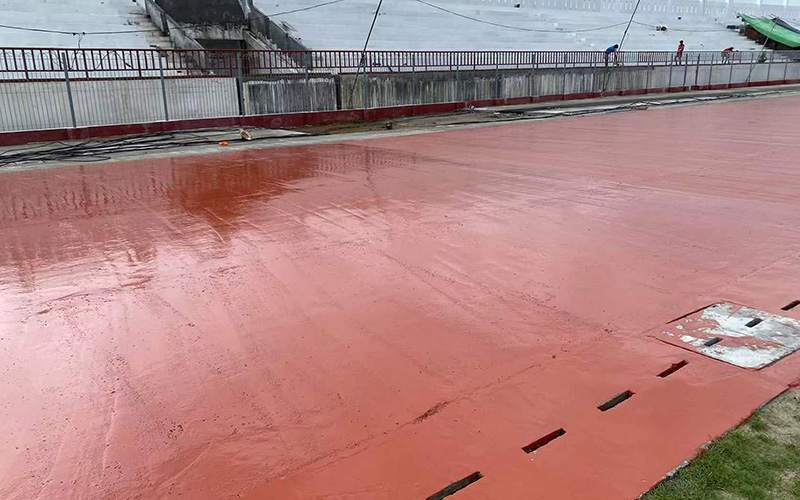 Professional Running Track Construction Guide
 What Attracts Investors Most About Building Padel Courts
 How to Install Artificial Turf for Padel Courts