Why EPDM is the Standard for Modern Sports Surfaces?
EPDM (ethylene-propylene-diene monomer rubber) is a synthetic rubber with excellent performance. EPDM has become an indispensable material in the global sports and construction industries since its commercialization in 1963. Known for its exceptional durability and versatility, EPDM is the primary component in professional running tracks, high-end gym flooring, and outdoor playground mats.
In this article, we will analyze the technical characteristics that make EPDM a superior choice for commercial projects and explore its diverse application scenarios in the international market.
6 Core Characteristics of High-Quality EPDM Rubber
What sets EPDM apart from standard recycled rubber? It comes down to its unique molecular structure and chemical stability.
1. Superior UV and Aging Resistance
Unlike SBR (recycled tire rubber), EPDM is highly resistant to ultraviolet radiation. This means it can withstand long-term exposure to intense sunlight without fading, cracking, or losing its elasticity. For outdoor projects in high-heat regions, EPDM’s anti-aging properties ensure a lifespan of 10-15+ years.
2. Excellent Elasticity at Extreme Temperatures
Due to its low molecular cohesion, the molecular chain in EPDM remains flexible even at low temperatures. It provides consistent shock absorption and foot feel, reducing the risk of injuries for athletes in both freezing and tropical climates.
3. High Temperature and Heat Stability
EPDM exhibits remarkable stability when exposed to hot water or steam. Testing shows that after soaking in 230°C water for a month, the volume expansion is only 0.3%. This makes it far more stable than silicone or nitrile rubber in demanding environments.
4. Strong Chemical and Corrosion Resistance
With low polarity and high saturation, EPDM is resistant to common additives, detergents, acids, and alkalis. This chemical "laziness" ensures that the flooring remains intact even when cleaned with industrial-grade disinfectants.
5. High Filling Property for Cost Efficiency
EPDM has a low density (approx. 0.87), allowing it to be mixed with fillers without compromising its core performance. For bussiness buyers, this means achieving a balance between high-performance surface quality and manageable production costs.
6. Superior Electrical Insulation
Often overlooked, EPDM is an excellent insulator. Its dielectric properties exceed those of polyethylene, making it a safe choice for environments where electrical safety is a concern.
EPDM vs. Standard SBR Rubber
To help your project make an informed decision, here is how EPDM granules compare to standard recycled rubber (SBR).
|
Feature
|
EPDM Rubber Granules
|
Standard SBR Rubber
|
Benefit of EPDM |
|
UV Resistance
|
Excellent (Anti-UV)
|
Poor (Fades/Hardens)
|
Vibrant colors for years |
|
Environmental Safety
|
Non-toxic (REACH/RoHS)
|
May contain heavy metals
|
Safe for schools and kids |
|
Elasticity Recovery
|
High
|
Medium
|
Better shock absorption |
|
Lifespan
|
10-15 Years
|
5-7 Years
|
Lower long-term costs
|
Application Scenarios for EPDM
1. Professional Running Tracks and Stadiums
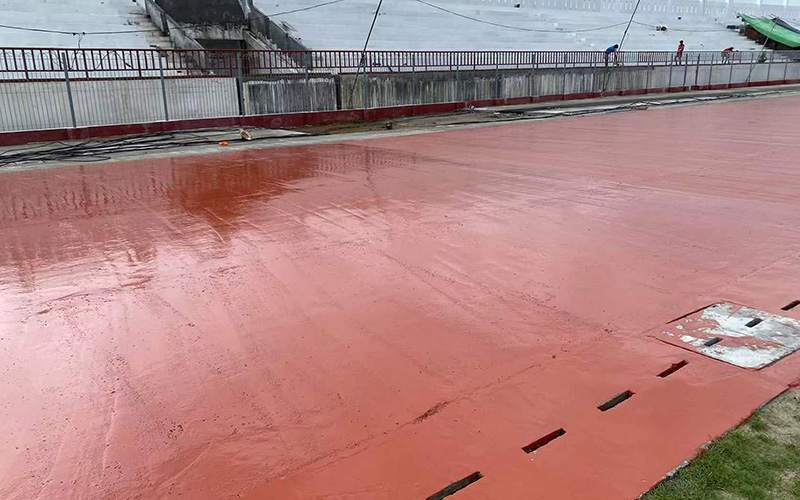
EPDM granules are the "top layer" choice for IAAF-standard running tracks. They provide the necessary friction and energy return for professional athletes while maintaining a seamless, professional aesthetic.
2. Kindergartens and School Playgrounds
Because EPDM can be produced in a wide variety of bright colors and is non-toxic (SGS Tested), it is the safest choice for children’s play areas. It provides a soft landing to prevent fall-related injuries.
3. Commercial Gym Flooring
High-density EPDM mats are used in heavy-weight zones to absorb the impact of dropped dumbbells, protecting the concrete sub-floor and reducing noise pollution.
4. Industrial Waterproofing and Auto Parts
Beyond sports, EPDM’s weather resistance makes it ideal for durable pipes, cable insulation, and building waterproofing devices.
Compliance and Quality Standards
At UNISPORT, our EPDM granules undergo rigorous testing to ensure they meet international standards:
• SGS Non-toxic Certification: Safe for indoor and outdoor use.
• REACH and RoHS Compliance: Free from harmful chemicals and heavy metals.
• Fire Retardant Options: Available for indoor gym installations.
 Professional Running Track Construction Guide
 What Attracts Investors Most About Building Padel Courts
 How to Install Artificial Turf for Padel Courts
 What is the best padel tennis court floor?